




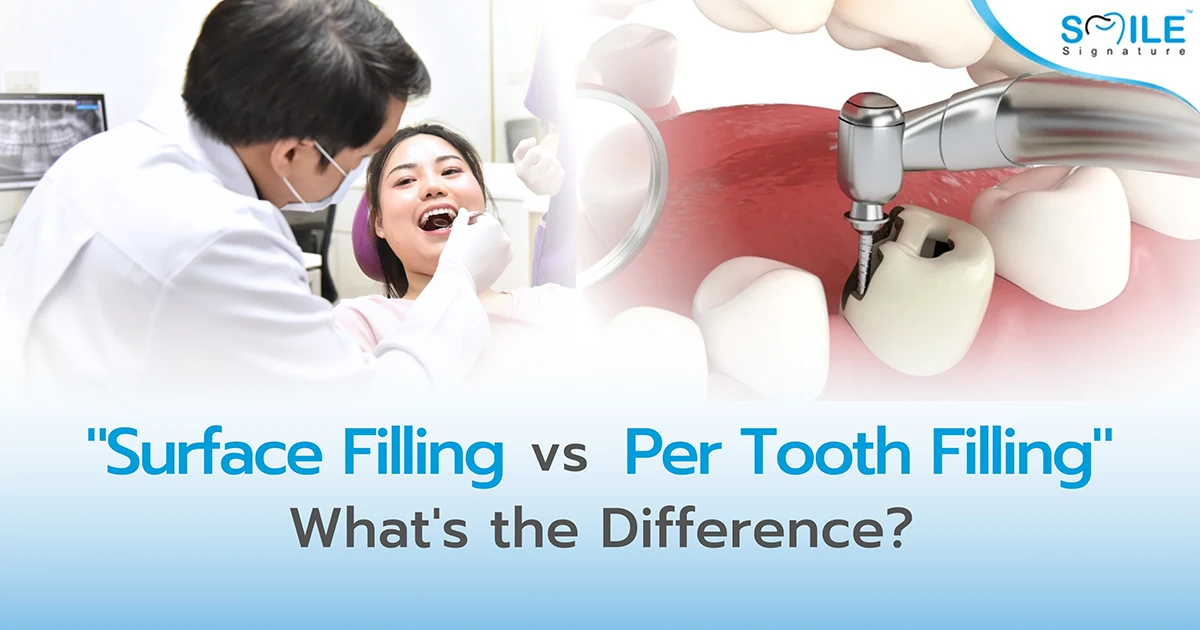
Ever looked at your dental bill and wondered, “Why am I charged per surface for just one tooth?” Understanding surface filling can save you from unexpected costs. Let Smile Signature break down exactly how dentists count tooth surfaces and why pricing per surface is actually fairer for your wallet!
Table of Contents : Surface vs. Per-Tooth Fillings [Click to read by topic]
- What Does Tooth Filling Actually Help With?
- What Is Surface Filling? Why Is Tooth Filling Charged Per Surface?
- How Dentists Count Tooth Surfaces – A Simple Guide
- Tooth Filling Prices: Per Surface vs. Per Tooth
- Tooth Filling : Care Tips & What to Avoid
- Post care Instructions for Tooth Fillings
- Summary : Surface Filling vs Per Tooth Filling
What Does Tooth Filling Actually Help With?
To understand pricing and treatment plans, patients must first distinguish between the two primary objectives of dental fillings

1. Restorative Fillings (Treating Decay)
This involves the removal of infected tooth structure caused by decay. The void is then restored using high-strength materials capable of bearing occlusal (chewing) load. This seals the tooth surface effectively to arrest the progression of cavities.
2. Aesthetic Filling (Cosmetic Dentistry)
This procedure is not intended for treating pathology or decay. rather, it is used to reshape teeth or close spaces (diastemas) solely for cosmetic enhancement.
Read More : Dental Fillings with Composite Resin
What Is Surface Filling? Why Is Tooth Filling Charged Per Surface?
Imagine one tooth as a small box-shaped building or a row house sitting next to other teeth. Each tooth has multiple surfaces, and dividing a tooth into these surfaces is important when evaluating the cost and complexity of a dental filling.

That’s because the difficulty of the procedure varies significantly depending on which surfaces are affected.
This difference in complexity is precisely why dentists price fillings per surface rather than per tooth — and it actually works in the patient’s favor.
per tooth filling
A “per tooth” filling is a dental procedure primarily chosen for cosmetic purposes, which makes it quite different from standard fillings used to treat tooth decay. The main goal of this approach is to enhance the shape and overall proportions of the tooth to create a more beautiful smile.
It is an ideal solution for cosmetic corrections such as closing gaps between front teeth (diastema), and improving the size, shape, alignment, color, and surface smoothness of a tooth. Because the objective is to make the treated tooth blend flawlessly with your surrounding natural teeth, the dentist must evaluate, design, and treat the issue on a “per tooth” basis.
Not sure which filling you need? Book a dental check-up for an accurate diagnosis.
How Dentists Count Tooth Surfaces – A Simple Guide
If your dentist mentions a “multi-surface filling,” they are referring to these 5 areas. Knowing these will help you estimate your surface filling costs:
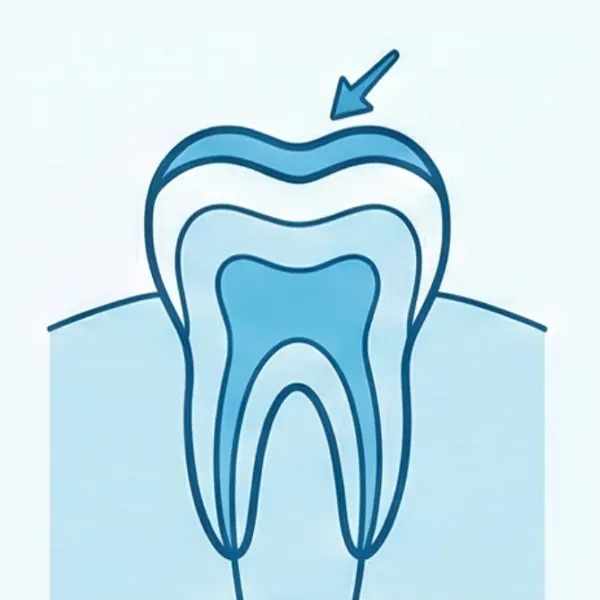
1. Occlusal Surface
The “top” of the tooth used for chewing.
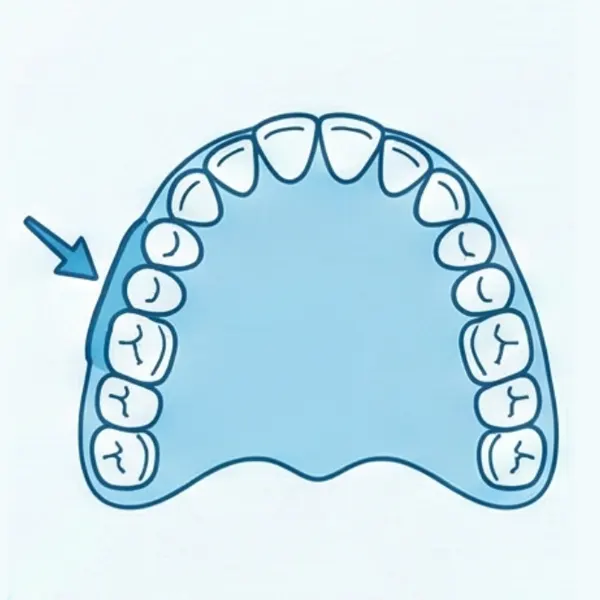
2. Buccal or Labial Surface
The “outside” facing your cheek or lips.
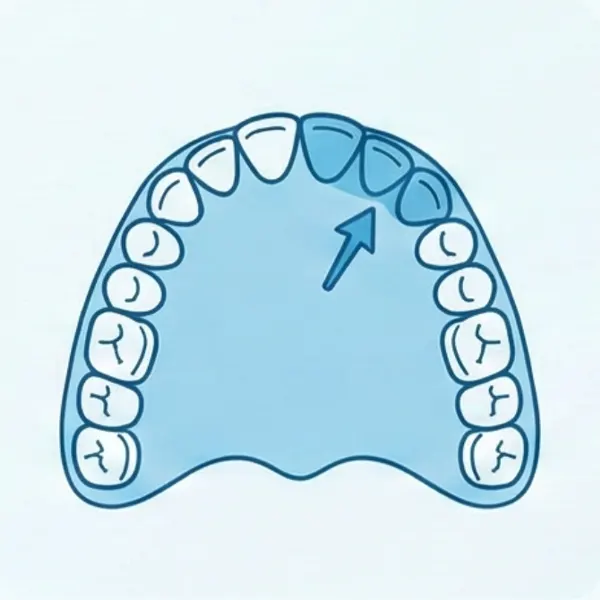
3. Lingual or Palatal Surface
The “inside” facing your tongue or palate.
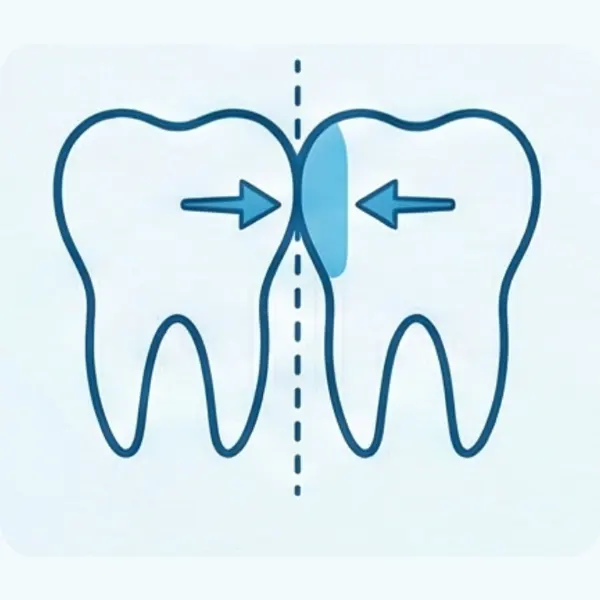
4. Mesial Surface
The side of the tooth touching the tooth in front.
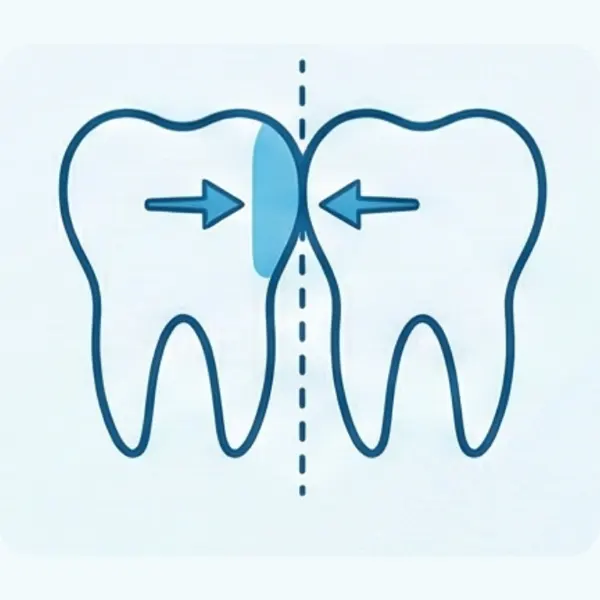
5. Distal Surface
The side of the tooth touching the tooth behind.
Tooth Filling Prices – Per Surface vs. Per Tooth
See Prices & Promos: Fillings, Scaling @Smile Signature (Click)
Amalgam Filling : durable silver-colored restorations commonly used for back teeth.
Tooth-Colored Filling (Composite Resin) : Composite resin fillings are tooth-colored materials designed to blend naturally with your smile.
Teeth Gap Filling : Gap filling (diastema closure) is typically charged per tooth because the treatment focuses on reshaping and building up the entire visible surface of the tooth for aesthetic improvement, rather than repairing specific decayed surfaces.
Tel : 083 095 0218 or Line ID : 
Deep Cavity? Here’s Why Treatment Doesn’t Stop at a Filling

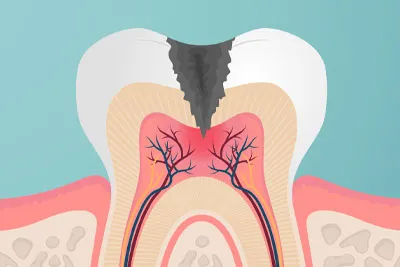
If a cavity progresses deep enough to reach the tooth’s nerve and pulp chamber, a simple dental filling is no longer sufficient. At this stage, the infection has affected the inner tissue of the tooth, and proper treatment is required to prevent further complications.
In such cases, root canal treatment must be performed first. During the procedure, the infected or damaged pulp is removed, the root canals are carefully cleaned and disinfected, and the space is sealed to eliminate bacteria and relieve pain.
Once the root canal treatment is completed and the tooth is stable, a dental crown is placed over the treated tooth. The crown restores the tooth’s shape, strength, and chewing function, while also protecting it from fracture.
Post care Instructions for Tooth Fillings
- Avoid Hard & Sticky Foods : Do not chew hard, crunchy, or sticky foods to prevent the filling from cracking or coming loose.
- Be Careful with Hot & Cold Foods : Temporary tooth sensitivity is normal and usually improves within 1–2 weeks.
- Limit Dark-Colored Drinks : Tea, coffee, red wine, and dark sodas may stain tooth-colored fillings, especially in the first few days.
- Check Your Bite : If your filling feels too high or painful when chewing, visit your dentist for adjustment.
- Maintain Good Oral Hygiene : Brush properly, floss daily, and clean between teeth to prevent food buildup around the filled area.
- Schedule Regular Check-Ups : Visit your dentist every 6 months to monitor your fillings and overall oral health.
Summary Surface Filling vs Per Tooth Filling
Not all cavities are the same and neither are their costs. Because each additional surface affected by decay requires a more complex and time-consuming restoration,
pricing per surface filling is the fairest and most accurate way to reflect the work involved. The simplest way to keep both treatment and costs to a minimum? See your dentist every six months before small problems have the chance to grow.

Reference :
- Siriraj Piyamaharajkarun Hospital – siphhospital.com